


.jpg)
Jointly hosted by Canada, Mexico and the United States, the 2026 World Cup is set to make history with 48 teams and 104 matches. Running from June 11th to July 19th, the tournament is expected to draw 5 million in-person spectators and a staggering 6 billion viewers worldwide1. However, according to a recent study by Talon 2, the real fan engagement happens far beyond the stadium walls. It’s out in the public square where Out-of-Home (OOH) advertising cements itself as the most powerful medium for capturing attention. Here is a quick breakdown from Bauer Media Outdoor.
On the move: Fans take to the streets
Data shared by Talon reveals that more than one in two people (53%) will be tuning into the matches this year. As with any major sporting event, the fan experience will be inherently social and on the move.3
Supporters have no intention of watching the drama unfold alone: 42% plan to gather in pubs or cafes, 28% will visit friends or family, and 25% host dinner parties at home. This social drive directly impacts how people move around: while 51% will stay local, over a third (36%) will travel across their wider metropolitan area, and 8% will even travel to another city to soak up the atmosphere.4
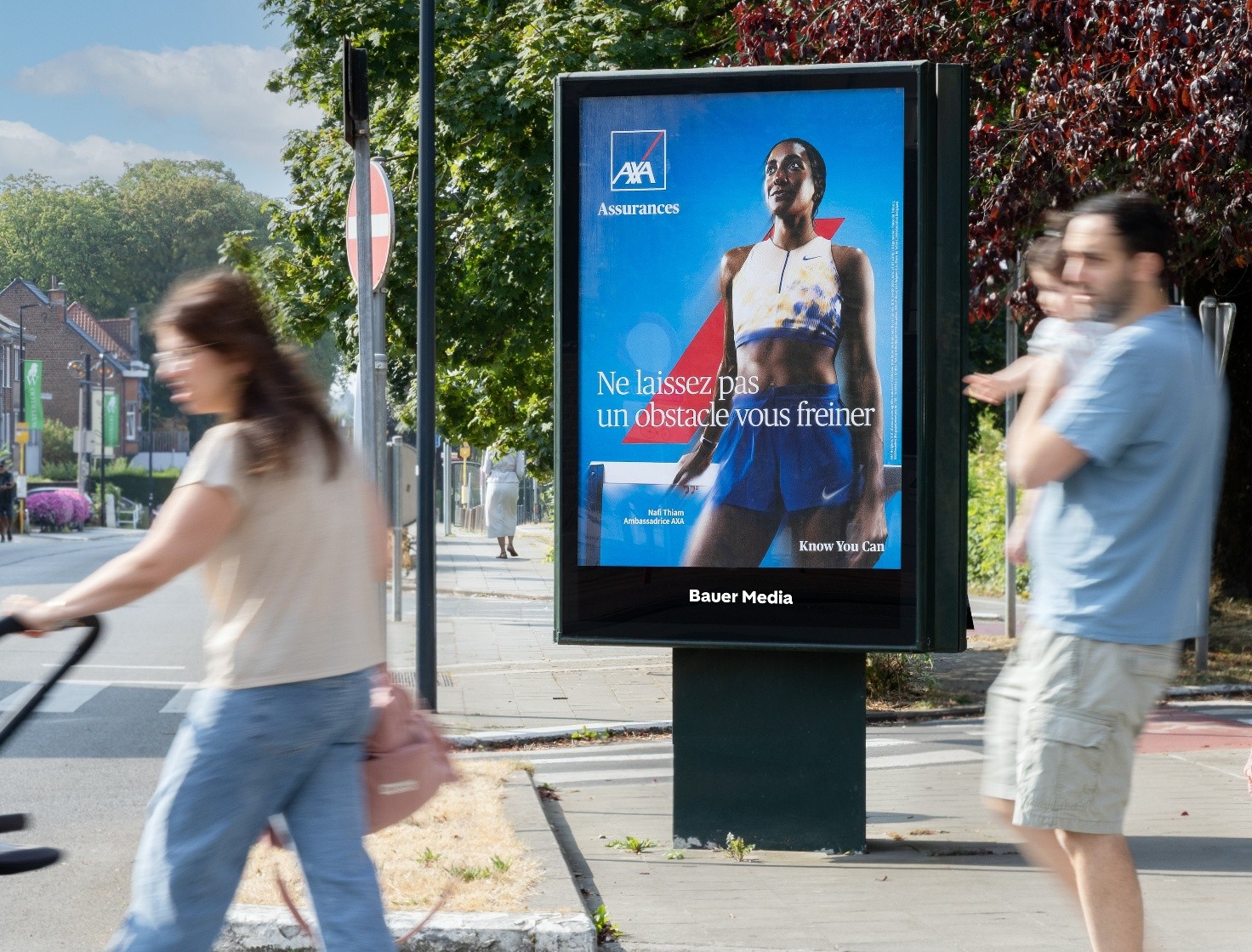
With the tournament set to trigger massive waves of foot traffic and commuting, high-density transit zones present the ultimate opportunity for brands to connect with an active, on-the-go audience via (D)OOH.
The pre-match rituals
The excitement and the shift in consumer habits start well before the opening whistle.
From last-minute grocery runs (52%) and food deliveries (40%) to pre-match gatherings (30%), the tournament sparks a wide range of purchasing and travel behaviours. Another key takeaway from the study shows that 40% of football fans plan to go out during the week more than usual. This shift in routine significantly widens the visibility window for (D)OOH ad campaigns.5
The "22/7" Rule: A game-changer for DOOH innovation
Did you know? This World Cup will introduce the "22/7" rule, which mandates two 3-minute timeouts per match. Play will automatically stop around the 22nd minute of the first half and the 67th minute of the second half.
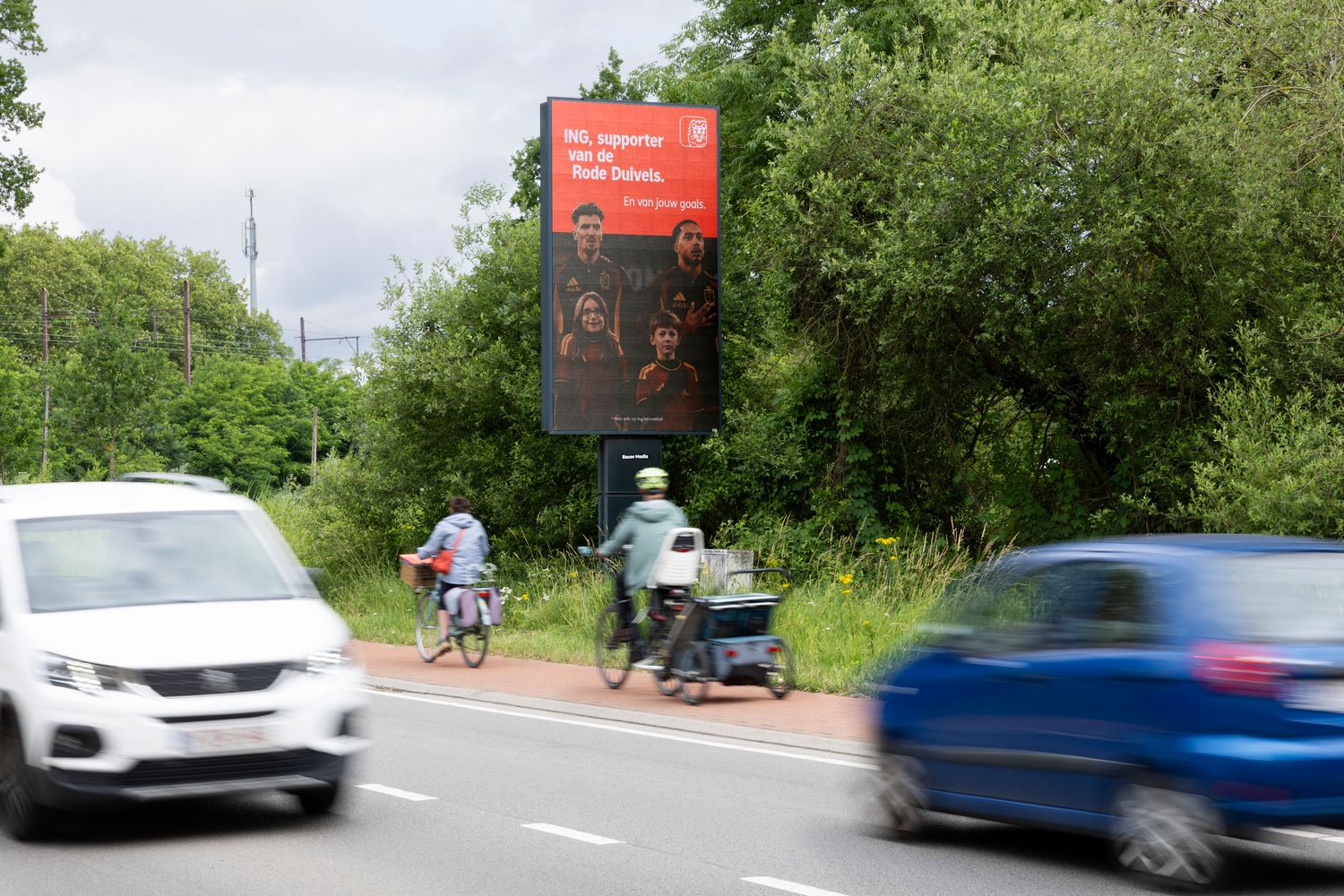
These timeouts open up unprecedented, highly lucrative advertising windows. Thanks to Programmatic DOOH (pDOOH) and Dynamic Creative Optimization (DCO), digital screens can update messaging in real time based on live scores or key match events.
The Bottom Line: The 2026 World Cup will prompt consumers to shake up their routines, head outdoors, gather and shop differently. For all these reasons, (D)OOH is positioned to be one of the most high-impact marketing channels this summer.
Ready to score BIG this summer with (D)OOH?
Get in touch with us today
.jpg)
Sources:
1Pulse – Talon Brand Tracker – 2026
2Pulse – Talon Brand Tracker – 2026
3Pulse – Talon Brand Tracker – 2026
4Pulse – Talon Brand Tracker – 2026
5Pulse – Talon Brand Tracker – 2026
.jpg)
.jpg)
No items found.
No items found.